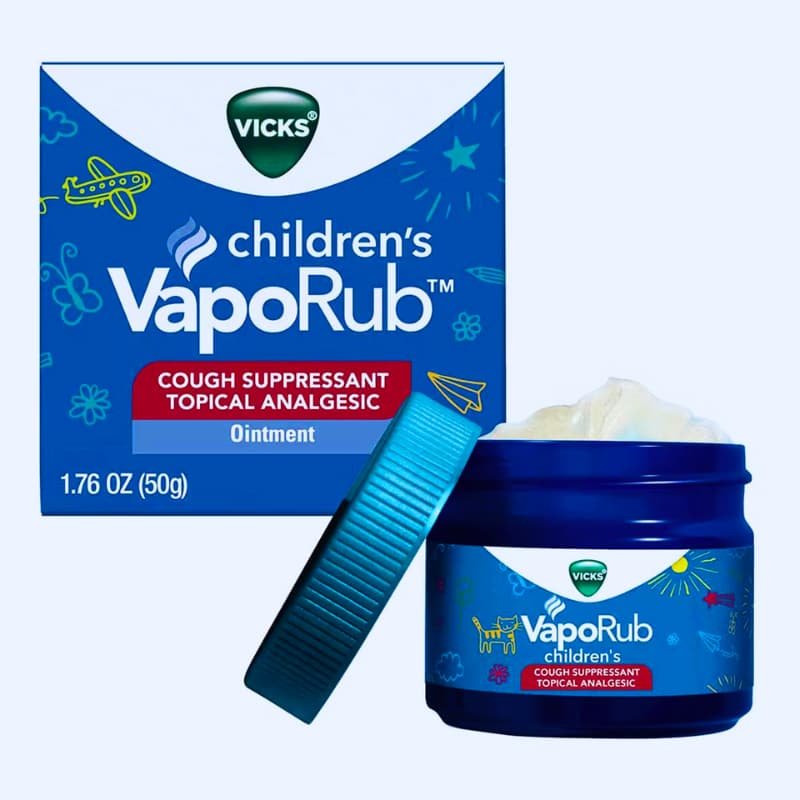
Putting Vicks VapoRub on your feet is generally not dangerous for adults, but it does not help treat a cold. The method may feel comforting, but it does not reduce coughing or congestion.
If you want relief, how you use Vicks matters more than where you put it.
Why People Started Putting Vicks on Their Feet
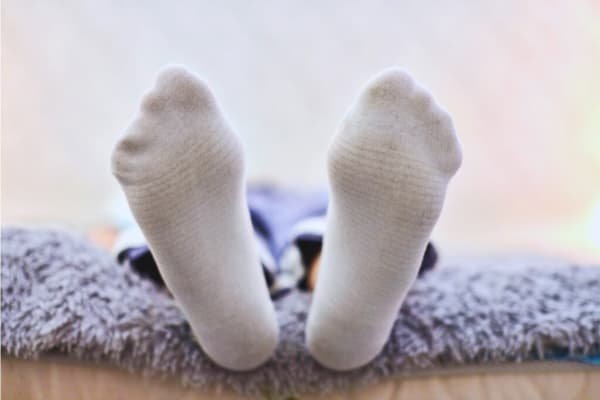
When cold season hits, people look for simple nighttime relief. One widely shared home remedy suggests rubbing Vicks on the soles of your feet and wearing socks to bed.
The idea spread because it feels easy and soothing when you’re already uncomfortable.
Comfort, however, isn’t the same as effectiveness.
How Vicks VapoRub Is Meant to Work
Understanding the product explains why the feet method falls short.
What’s inside Vicks VapoRub
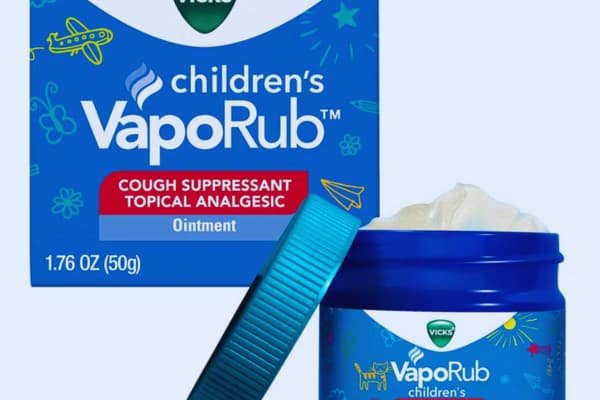
Vicks VapoRub contains:
- Camphor
- Menthol
- Eucalyptus oil
These ingredients release strong vapors, not deep medicinal effects.
What happens when used correctly
When applied to the chest or neck:
- Vapors create a cooling sensation that can ease cough perception
- Menthol stimulates cold receptors, making breathing feel easier
- Mild surface aches may feel temporarily soothed
These effects depend on inhaling the vapors, not absorbing the product through skin.
Does Putting Vicks on Your Feet Help a Cold?

What the evidence shows
There is no scientific evidence that applying Vicks to the feet helps with coughing, congestion, or nasal symptoms. No clinical studies support this use.
Why the method doesn’t work
- Vapors cannot reach your airway from your feet
- Socks and blankets further block scent
- Reflexology claims linking feet to lungs lack medical support
Why some people still feel better
- The placebo effect
- A cooling sensation that feels calming
Feeling better does not mean the cold is improving.
Clear takeaway
Vicks on your feet is unlikely to help cold symptoms in any meaningful way.
Is It Safe to Put Vicks on Your Feet?
For adults, small amounts on intact skin are usually not dangerous. Safety still matters.
Rules you shouldn’t ignore
- Never use on children under 2
- Do not apply to broken or irritated skin
- Keep away from face, eyes, and nostrils
- Never heat the product
- Prevent accidental ingestion
Why socks are usually involved
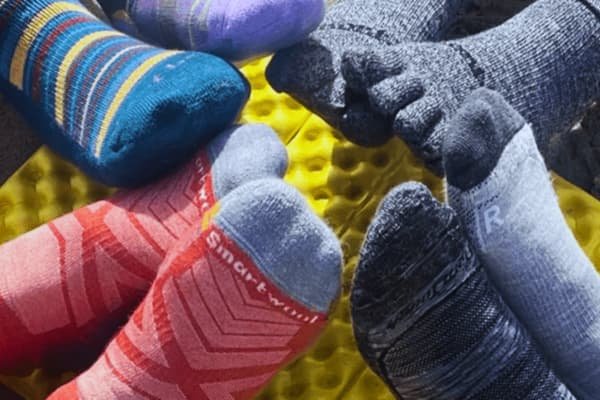
Socks help:
- Protect bedding
- Retain warmth
They should be soft, breathable, and non-restrictive. Tight socks can trap moisture or reduce circulation, which hurts comfort when you’re sick.
A Smarter Focus on Foot Comfort
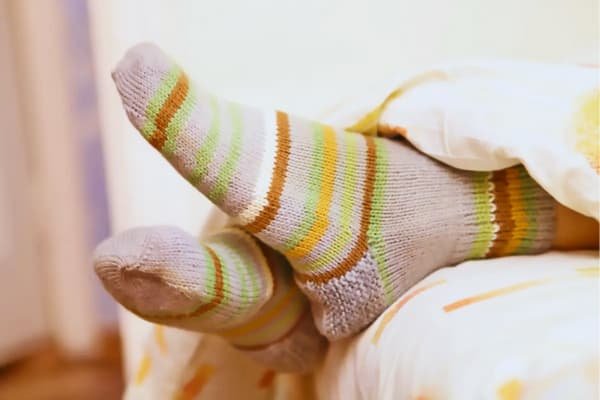
Instead of relying on Vicks, focus on keeping your feet comfortable overnight.
Well-designed socks can:
- Keep feet warm without pressure
- Support healthy circulation
- Stay breathable during sleep
GoCustomSocks designs pressure-free custom socks that prioritize overnight comfort. Better foot comfort supports better sleep, which matters when your body is recovering.
What Works Better Than Vicks on Your Feet
Use Vicks the right way
If you use Vicks:
- Apply only to the chest or neck
- Follow label instructions exactly
Stick to proven basics
Reliable cold care includes:
- Rest
- Hydration
- A humidifier in dry air
Choose symptom-based relief
Depending on symptoms:
- Saline nasal sprays
- Over-the-counter decongestants used carefully
- Honey for cough relief for anyone over one year old
Comfort choices add up. Clothing, bedding, and socks that don’t irritate or squeeze help your body rest more easily.
When to See a Doctor
Seek medical care if you have:
- A high or persistent fever
- Difficulty breathing
- Chest pain
- Symptoms that continue to worsen
What to Do Instead Tonight
Skip unproven shortcuts. Use Vicks as directed, focus on rest and hydration, and keep your body comfortable from head to toe.
Small comfort decisions matter when you’re sick. Warm, breathable socks that don’t restrict your feet can make a long night with a cold easier to get through.
FAQ
Is it dangerous to put Vicks VapoRub on your feet?
For most adults, small amounts on unbroken skin are generally safe. However, it is not an effective cold treatment. Vicks should never be used on broken skin, heated, or applied near the face. It must also be avoided entirely in children under 2 years old.
Can Vicks on feet stop coughing at night?
No evidence supports this. Vicks works by releasing vapors that need to be inhaled to affect cough perception. Applying it to the chest or neck, as directed, is far more likely to provide temporary relief than using it on the feet.
Why do people think Vicks on feet works for colds?
Most experts point to the placebo effect. The routine, warmth, and cooling sensation can feel comforting. While this may improve how someone feels, it does not treat cold symptoms or speed recovery.
Should you wear socks if Vicks is applied to the feet?
Socks are usually worn to protect bedding and retain warmth. If used, they should be soft and breathable. Tight or poorly ventilated socks can restrict circulation or trap moisture, which reduces comfort during rest.
Can Vicks on feet help with anything at all?
It may moisturize dry heels or soothe mild foot discomfort due to its petroleum base and cooling ingredients. These effects are limited to foot care and are unrelated to treating colds or respiratory symptoms.
What works better than putting Vicks on your feet for a cold?
Using Vicks as directed, resting, staying hydrated, and choosing symptom-based treatments are more effective. Comfort also matters. Keeping your body warm, including your feet, can support better sleep during recovery.
Can children use Vicks on their feet?
No. Vicks VapoRub should not be used on children under 2 in any form. It contains camphor, which can be harmful if absorbed or ingested. Parents should always follow age guidelines and consult a healthcare professional.