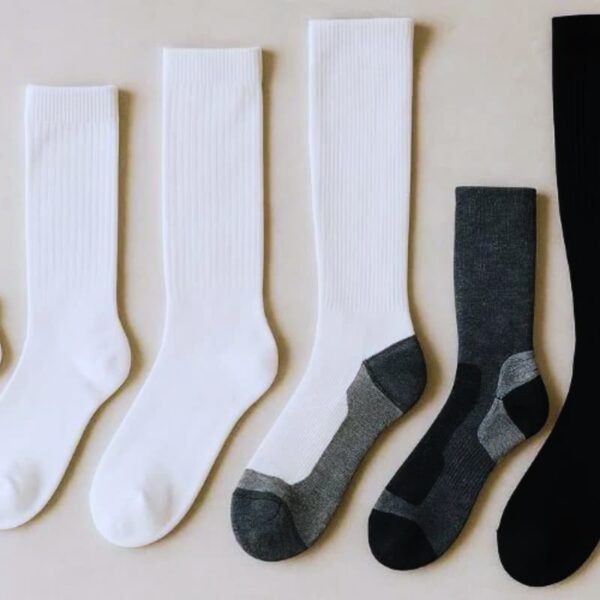
Why choosing the right socks matters
Socks usually get attention only when something feels wrong. Heels slip. Blisters form. Feet feel damp halfway through the day.
The right socks protect your skin, manage moisture, and support how your shoes move with you. They quietly affect comfort more than most people expect.
In practice, choosing socks comes down to four things:
- What you’re doing
- What shoes you’re wearing
- How your feet are shaped
- The season and climate
This guide walks through each one without overcomplicating it.
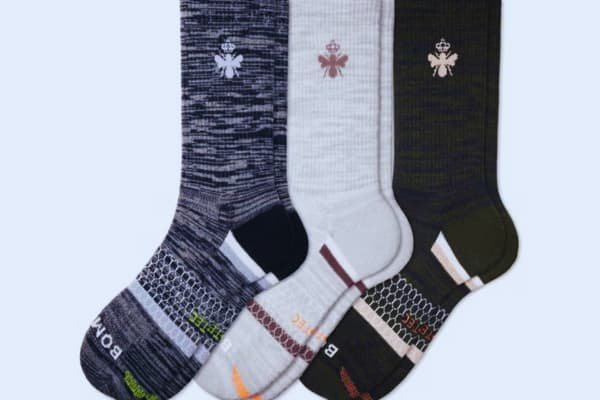
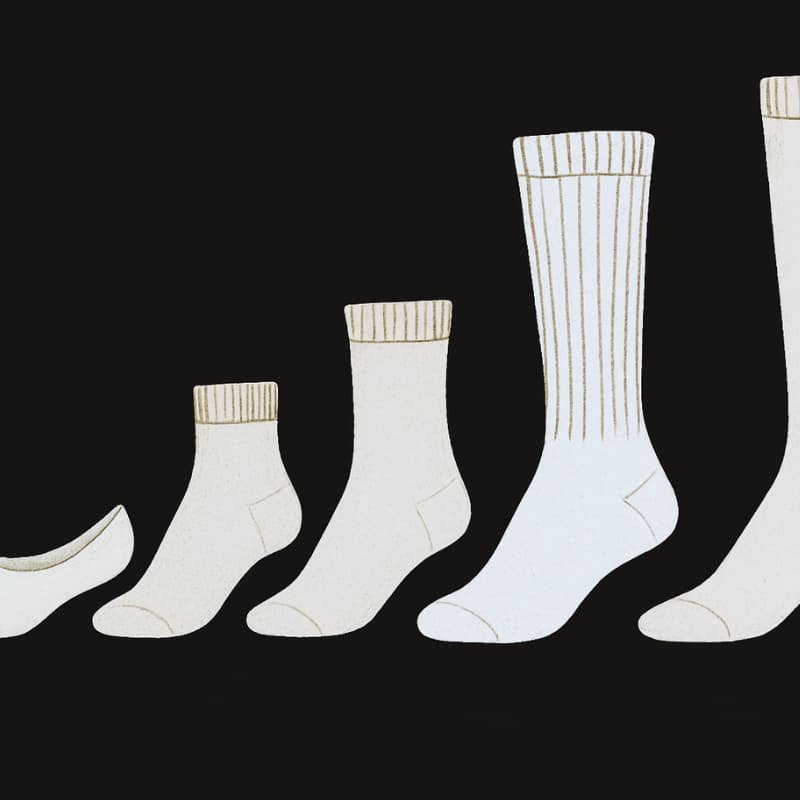
Sock lengths explained – which height works best
Sock length is the fastest way to narrow your options. If the height is wrong, even well-made socks won’t feel right.
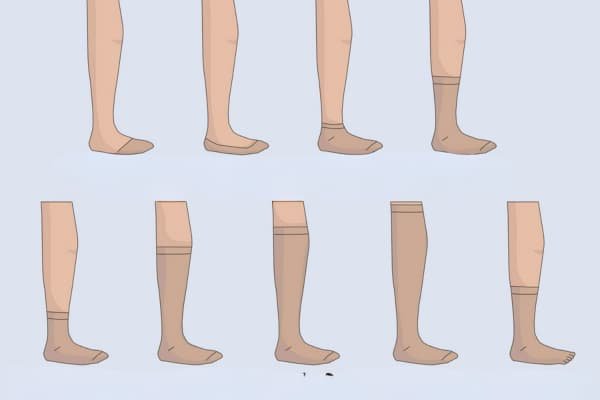
| Sock type | What it covers | Best for |
|---|---|---|
| Half or toe socks | Forefoot only | Mules, sandals, backless shoes |
| No-show socks | Below shoe opening | Loafers, flats, low sneakers |
| Ankle socks | Just above ankle | Sneakers, daily wear |
| Low crew socks | Ankle to lower calf | Casual shoes, light activity |
| Quarter socks | Mid-calf | Hiking, cycling |
| Knee-high socks | Below the knee | Boots, cold weather |
| Over-the-knee socks | Above the knee | Warmth and styling |
At GoCustomSocks, this is usually the first question we help people answer. Once the height is right, the rest becomes easier.
Socks by activity – what to wear and when
Length sets the base. Function fine-tunes comfort.
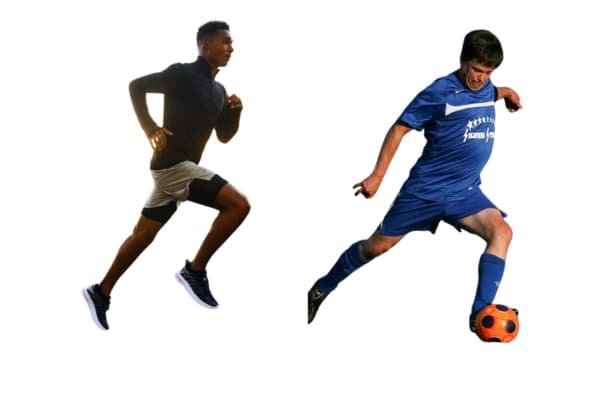
| Sock type | Why it works |
|---|---|
| Athletic socks | Cushioning and sweat control during movement |
| Hiking socks | Durability, odor control, and shock absorption |
| Dress socks | Thin profile for formal shoes |
| Thermal socks | Insulation in cold conditions |
| Compression socks | Circulation support during long wear |
| Lounge socks | Soft, warm comfort at home |
| Medical support socks | Relief for specific foot needs |
Running in casual socks or wearing dress socks for sports usually leads to discomfort later in the day.
Sock materials – how fabric affects comfort
Material matters most after hours of wear, not when you first put socks on.
| Material | What to know |
|---|---|
| Cotton | Soft and breathable but slow to dry |
| Merino wool | Regulates temperature and resists odor |
| Synthetic blends | Durable and quick-drying |
| Silk | Smooth, refined, and delicate |
| Bamboo fiber | Soft, lightweight, and naturally antibacterial |
This explains why two socks that look similar can feel very different by midday.
Sock thickness – how warm or light should they be
Thickness affects warmth and how socks fit inside shoes.
| Thickness | Best use |
|---|---|
| Ultra-light | Hot weather, low activity |
| Lightweight | Daily wear, mild movement |
| Midweight | Walking and cooler seasons |
| Heavyweight | Cold weather and long outdoor exposure |
Thicker isn’t always warmer if shoes feel tight. Fit still comes first.
Choosing socks that fit your foot shape
Foot shape changes pressure points and friction.
| Foot type | Better sock choice |
|---|---|
| Flat feet | Arch support and added cushioning |
| High arches | Extra padding in pressure areas |
| Wide feet | Stretch fabrics that don’t pinch |
| Swollen feet | Gentle compression |
| Long toes | Seamless toe construction |
At GoCustomSocks, custom sizing often starts here rather than with color or pattern.
Which socks go with which shoes
The wrong pairing usually shows once you start walking or sit down.
| Shoes | Best socks |
|---|---|
| Loafers or flats | No-show or half socks |
| Sneakers | Ankle or athletic socks |
| Boots | Crew or knee-high socks |
| Dress shoes | Thin, dark dress socks |
| Sandals | Barefoot or hidden liners |
Matching socks to pants often looks cleaner than matching them to shoes.
How to wash and store socks properly
Good socks last longer with simple care.
- Wash in cold or warm water
- Avoid bleach
- Air dry when possible
- Store by type
- Change daily
These habits help maintain elasticity and comfort.
FAQ
Why do no-show socks slip off?
No-show socks slip when the heel doesn’t fit securely. Look for silicone heel grips and anatomically shaped heels. Left-and-right foot designs also help reduce movement as you walk.
Do I need athletic socks for running?
Yes. Athletic socks reduce friction, manage moisture, and absorb impact. Regular socks may feel fine at first but often lead to blisters during longer or higher-intensity runs.
Can wool socks work in summer?
They can if the wool is lightweight merino. Merino regulates temperature and wicks moisture, helping feet stay dry even in warm conditions or light activity.
Are patterned socks OK for formal wear?
Subtle patterns work when colors are muted and coordinated. Fine stripes or small dots are usually safe. Bold graphics suit casual or creative settings better.
How often should socks be replaced?
Replace socks when cushioning flattens, elasticity weakens, or thinning appears. For everyday socks, this is often every 6 to 12 months, depending on wear and care.
How should socks fit?
Socks should feel secure without squeezing. Heels stay in place, toes aren’t compressed, and fabric doesn’t bunch underfoot. Proper fit reduces friction and fatigue.
Can socks be machine washed?
Most socks can be machine washed in cold or warm water. Avoid bleach. For wool or delicate fabrics, use a gentle cycle and air dry.
What are the main types of socks?
Socks are grouped by length and purpose. Common types include no-show, ankle, crew, and knee-high socks, along with athletic, dress, and compression styles.
Why does Gen Z dislike no-show socks?
Visible socks are part of personal style for many Gen Z wearers. Crew and mid-calf socks feel more intentional, while no-show socks are often seen as outdated.
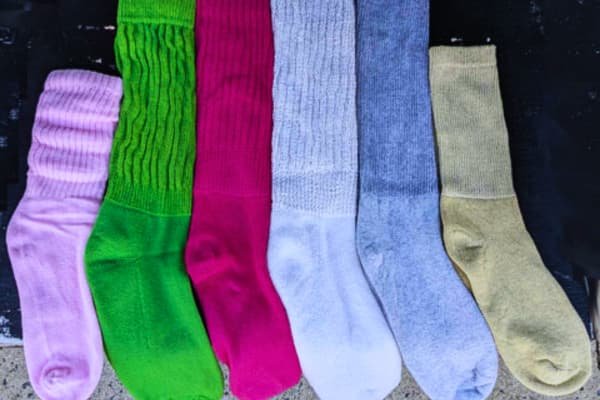
What are 80s socks called?
Popular 1980s styles included tube socks and slouch socks. Tube socks were tall and ribbed, while slouch socks were worn scrunched at the ankle. Both are trending again in retro fashion.
How to choose the right socks for everyday wear
The right socks balance five things:
- Length that works with your shoes
- Material that matches your activity
- Thickness that fits your footwear
- Style that suits your outfit
- Fit that matches your foot shape
Build a small rotation that covers daily needs instead of relying on one pair for everything.
That approach is what guides better sock choices and better custom designs at GoCustomSocks.